Guide 03, Painting resources
How to Tell When Your Home's Exterior Needs Repainting
The visible signs that an exterior coating has reached the end of its life, including peeling, chalking, fading, and failing caulk, and why catching them early matters.
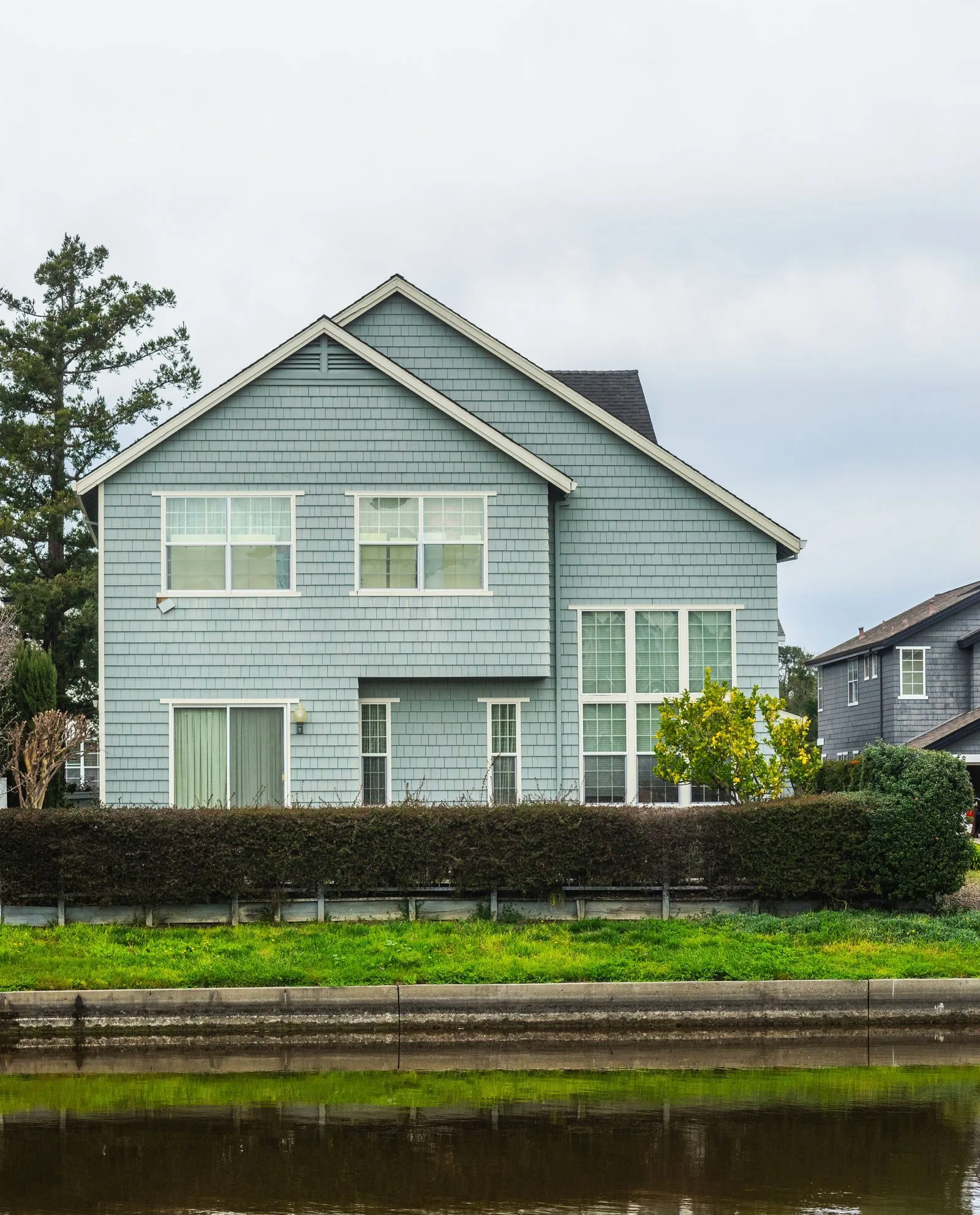
Exterior paint is your home's weatherproofing, not just its decoration. When the coating fails, water and sun start working on the material underneath, and the longer that goes on, the more preparation (and cost) the eventual repaint involves.
Here are the signs that your exterior is telling you it's time, roughly in the order they appear.
Fading and uneven color
Sun breaks down pigment over time, usually fastest on south- and west-facing walls. Fading alone is cosmetic, but it's an early warning that the coating is aging, and a useful prompt to look closer.
Chalking
Run your hand along the siding. If it comes away with a powdery residue, the paint film is breaking down, and that's chalking. Some chalking is normal aging; heavy chalking means the coating is nearing the end of its protective life, and it must be washed and prepared properly before any new paint will adhere.
Cracked and failing caulk
Caulk seals the joints where water would otherwise get behind your siding and trim. When it cracks, shrinks, or pulls away, those joints are open. Re-caulking is part of every proper exterior repaint, and failed caulk is a reason to act sooner rather than later.
Peeling, flaking, and bubbling
Once paint loses adhesion and starts to peel or flake, the surface underneath is exposed. Bubbling often points to moisture working from behind the film. At this stage, repainting stops being optional, and the question is only how much scraping, sanding, and priming the surface will need.
Exposed or graying bare wood
Bare wood that has weathered gray has been unprotected for a while. It can still be painted, but it needs thorough preparation, sanding back to sound fibers and priming, before any finish coat.
The bottom line
Catching an exterior at the fading-and-chalking stage means a simpler preparation job and a longer-lasting result. Waiting for widespread peeling means more labor and sometimes repairs. If you're unsure which stage your home is at, an estimate walkthrough will tell you, and that's exactly what it's for.
Putting this into practice on a real project? We can take it from here.
See Our Exterior Painting Service